Kimi K3: What an Open Frontier Model Means for Marketing AI Systems
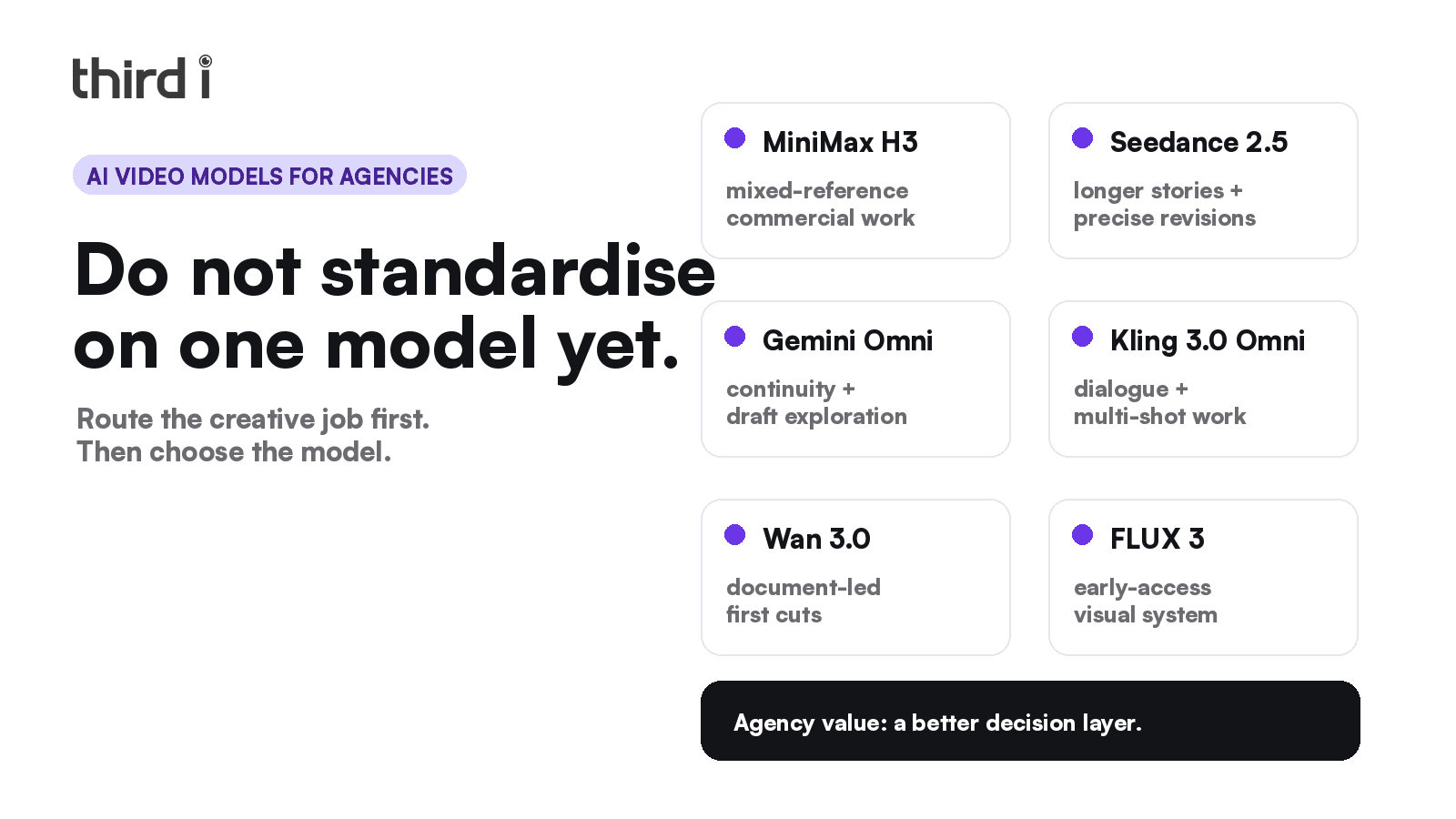
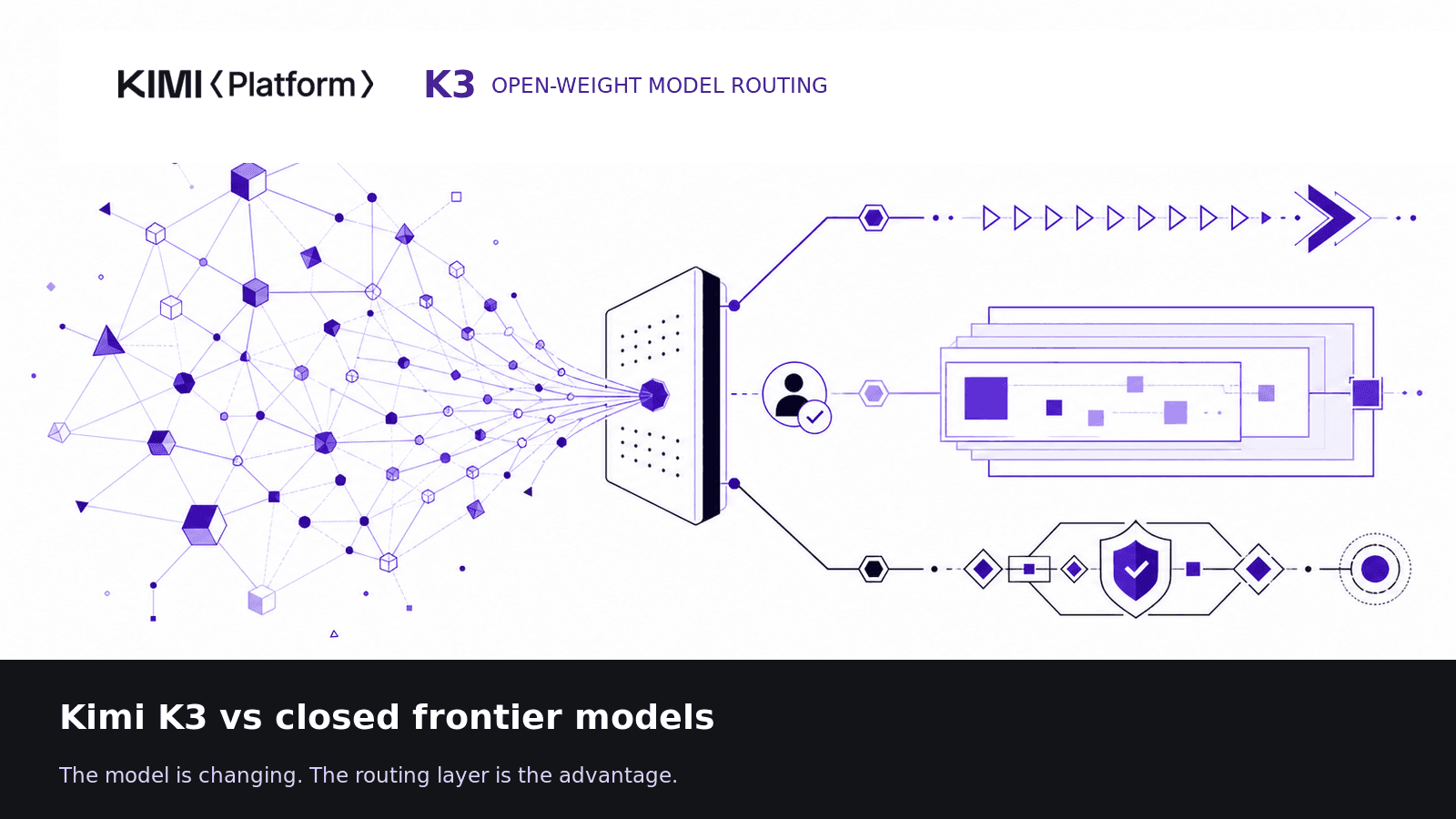
Kimi K3 is close to the frontier. The bigger shift is that teams now need to route AI work by context, risk, cost and control.
Anand Kumar
Blog
Read third i articles on AI marketing operations, creative analysis, reporting, growth systems, and performance workflows.

Kimi K3 is close to the frontier. The bigger shift is that teams now need to route AI work by context, risk, cost and control.
Anand Kumar

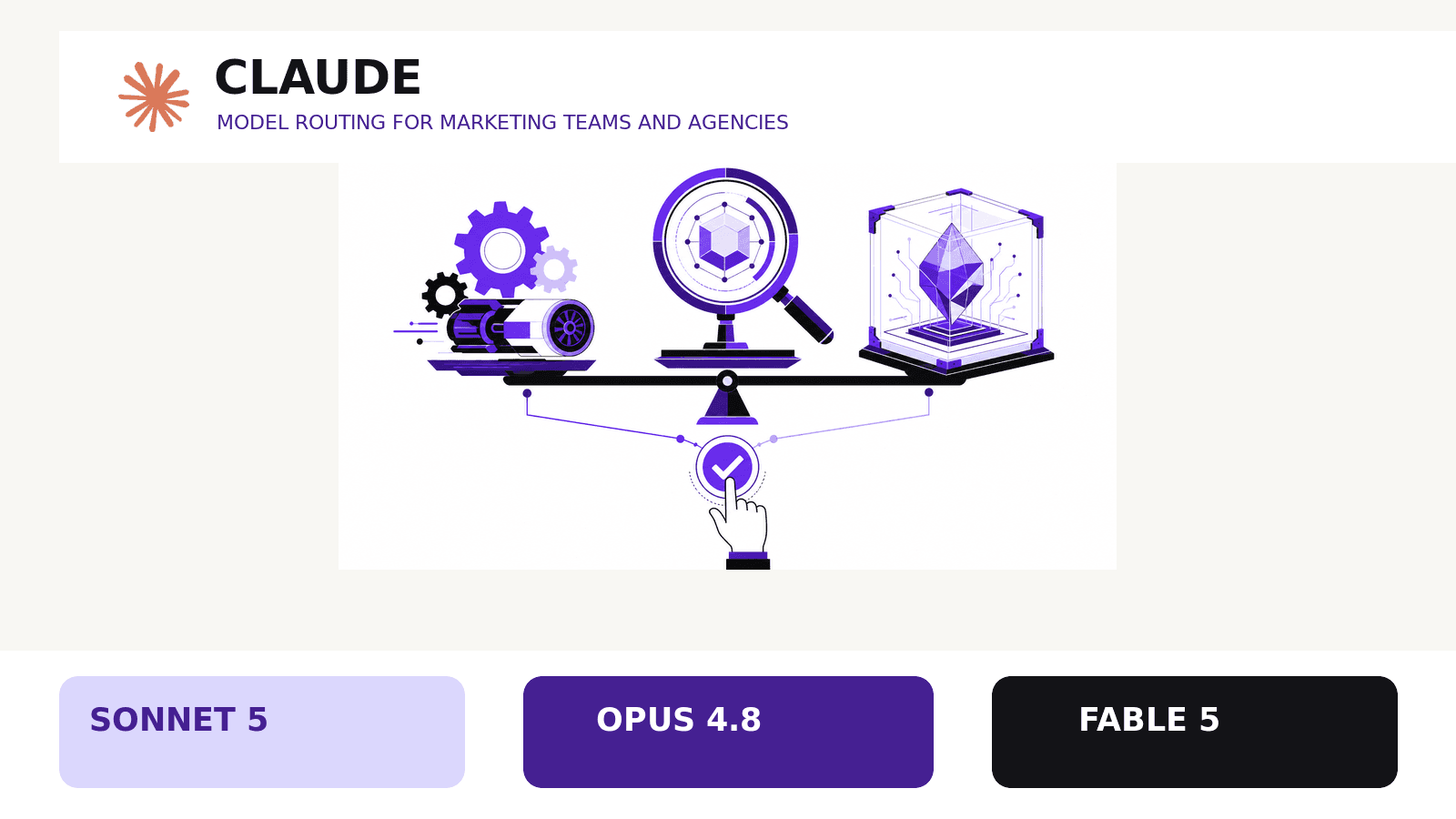
Compare Claude Sonnet 5, Opus 4.8 and Fable 5 by marketing task, cost, context, risk and approval requirements.
Anand Kumar

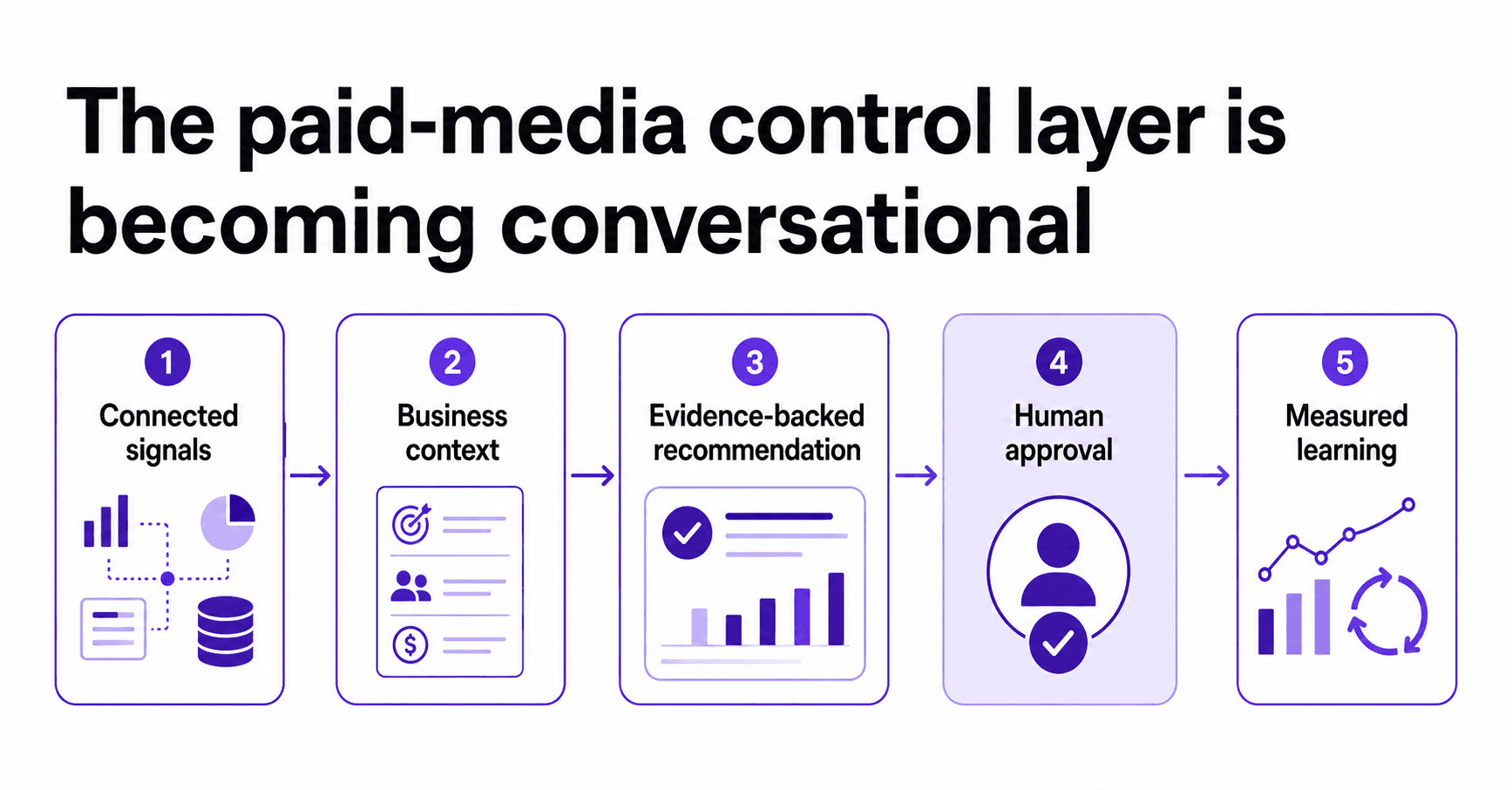
Meta has opened Ads AI Connectors in beta. Here is what marketers can do now, where the risks sit, and why cross-channel context still matters
Anand Kumar

Google’s new Images experience is a useful signal: creative is moving from something brands publish into something people browse, save and return to. That changes what marketers need to research before they make the next asset.
Anand Kumar

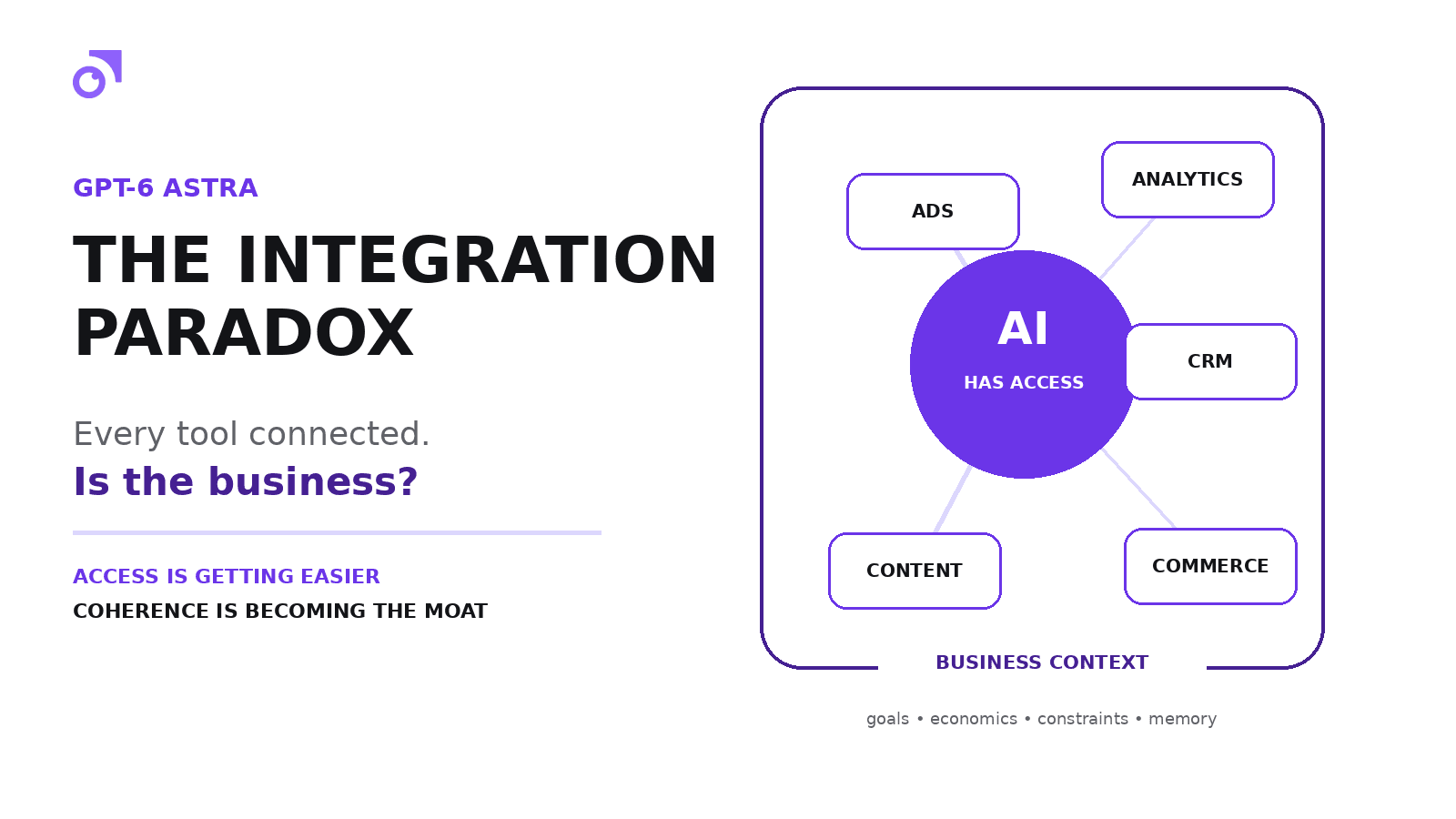
A founder's practical guide to using GPT-5.6 Sol, Terra and Luna in marketing. Learn which model fits each job and why connected context matters more than raw capability.
Anand Kumar

A step-by-step guide to connecting Claude to your Google and Meta Ads data using MCP - with 5 copy-paste prompts for cross-channel insights.
Abhinav Krishna

This article breaks down how we teach AI to scan ad accounts for “money pits” — the creatives and keywords that quietly burn budget without moving real outcomes. It explains how our analyzers focus on real patterns, not random spikes, so you get a short, actionable list of leaks to fix instead of m…
Vimal Babu

If you run performance marketing today, you hear the same question every time AI agents come up: “So, which model are you using?” For real-world results, that is the least useful place to focus. The teams that are quietly getting better ROAS, lower waste, and fewer surprises from AI agents are not…
Abhinav Krishna

This post explains that AI agents are not magic robots, but tools built on one simple trick: predicting the next word very well, then wrapping that prediction engine with rules, tools, and memory so it can actually do jobs for you. It shows how this setup lets you talk to software in plain language…
Aravindhan